


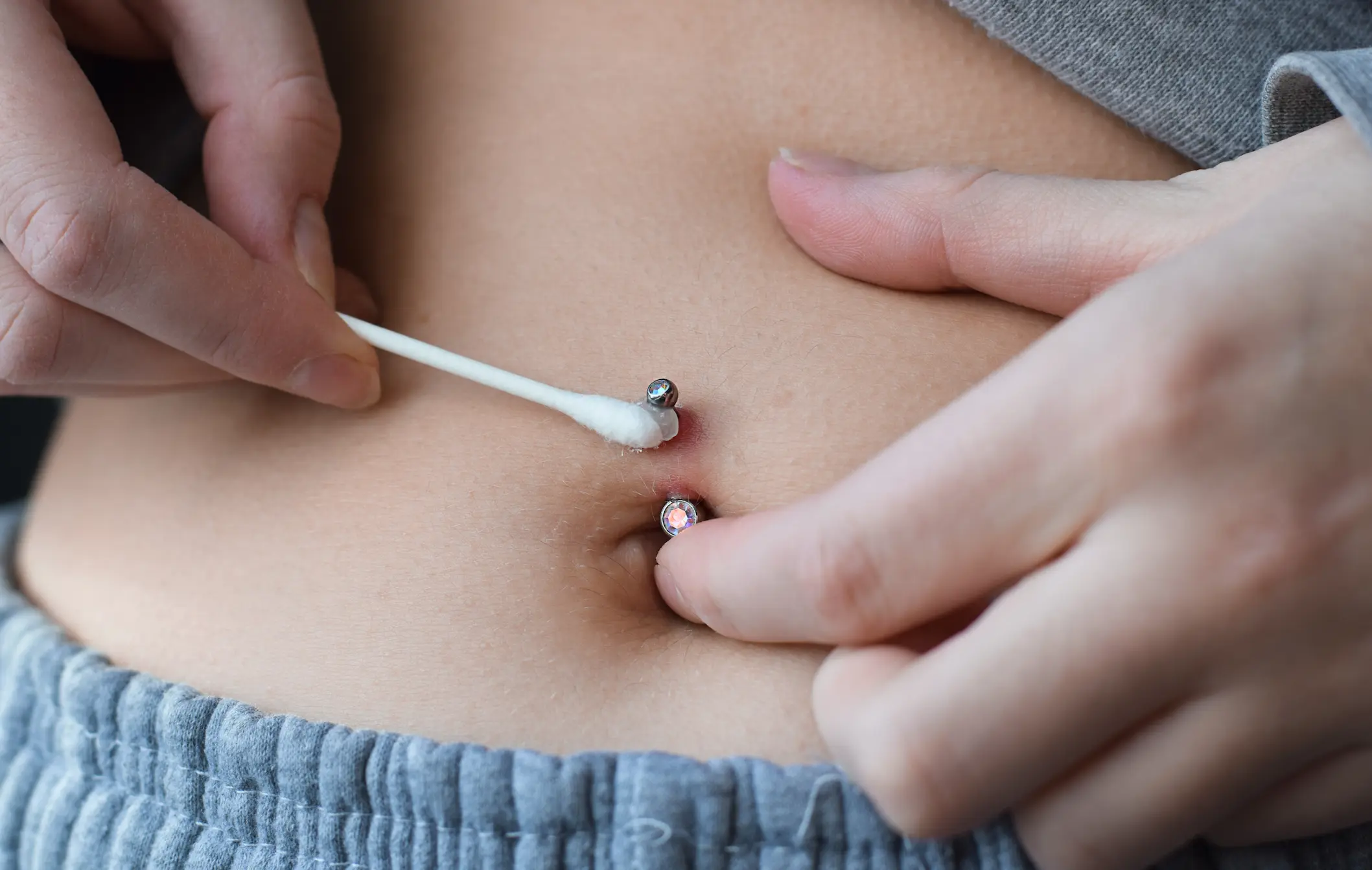
Piercings are one of the most common ways to express identity, style, and culture. From classic earlobe studs to bold cartilage, lip, and tongue piercings, body art has become more mainstream than ever. Yet one question bothers nearly everyone with a piercing at some point: how long does it take for piercings to close if you remove the jewelry?
The answer isn’t universal. Some piercings can close in just hours, while others remain open for weeks or even months. In this article, we’ll take a detailed look at the timelines for different piercings, what factors influence closure, and what you can do if your piercing closes sooner than expected.
What Affects Piercing Closure Speed?
Piercings are essentially small wounds kept open by jewelry. Once the jewelry is removed, the body naturally begins healing and sealing the hole. The speed of this process depends on several factors:
- Healing stage – A fresh piercing, even if it looks healed on the surface, hasn’t fully stabilized internally. Removing jewelry too early can cause the hole to close almost instantly. A piercing that has been in place for years is far more resilient.
- Location of the piercing – Soft tissue like the earlobes tends to close more slowly, while highly vascular areas like the tongue and lips close rapidly. Cartilage piercings fall somewhere in between.
- Jewelry thickness – A larger gauge piercing might take longer to fully close, as the body has more tissue to repair.
- Aftercare history – Piercings that healed well and without infection may leave behind a neat channel, which can close consistently. Poorly healed piercings sometimes scar, making closure unpredictable.
- Individual biology – Skin elasticity, immune system health, and even genetics affect how fast piercings heal and close.
How Long Does It Take for Different Piercings to Close?
Every piercing is unique, but here are the average closure timelines for the most popular ones.
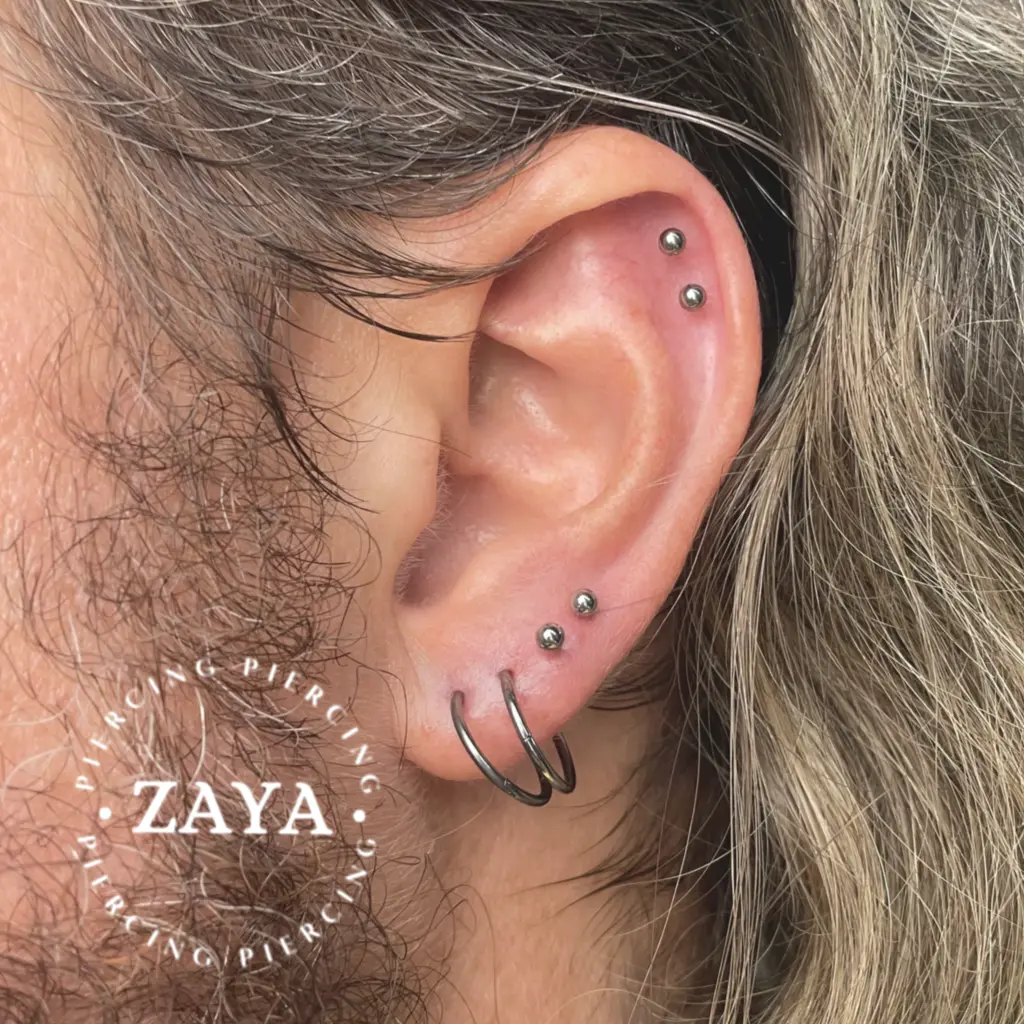
Ear Piercing
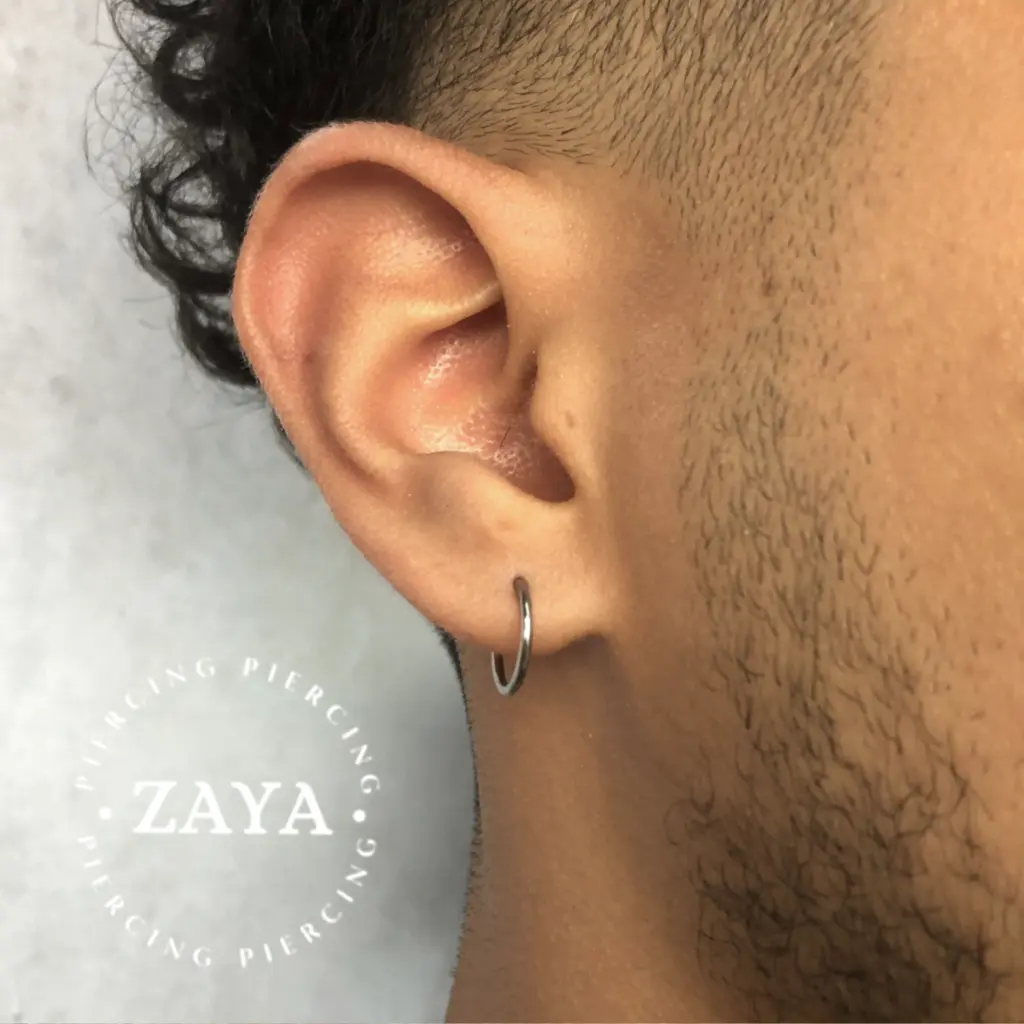
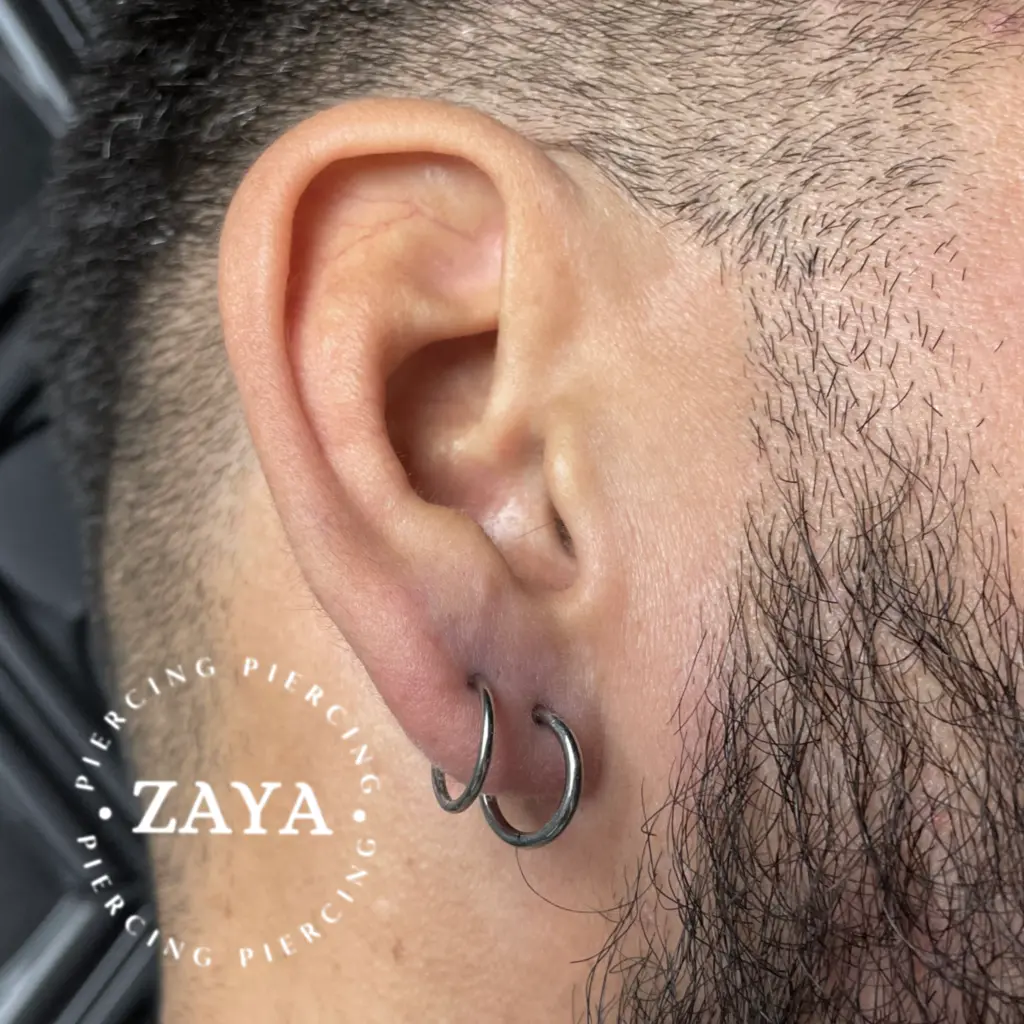
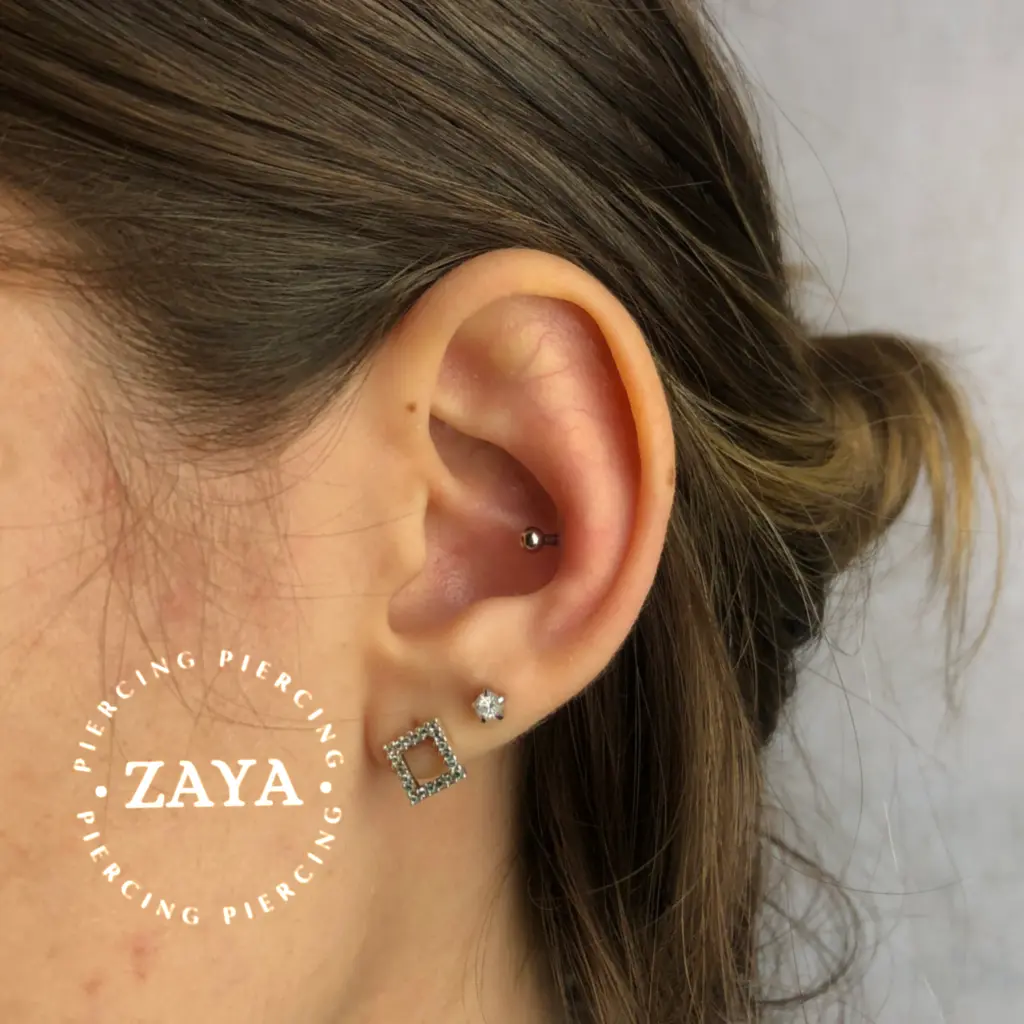
Earlobe piercings are the most common and, for many people, the first type of piercing they ever get.
- Fresh piercings: May begin closing in 24–48 hours if jewelry is removed.
- Well-healed piercings (1–2 years old): Could take several days or weeks to fully close.
- Long-standing piercings (5+ years): Sometimes never fully close, though the hole often shrinks to a barely noticeable mark.
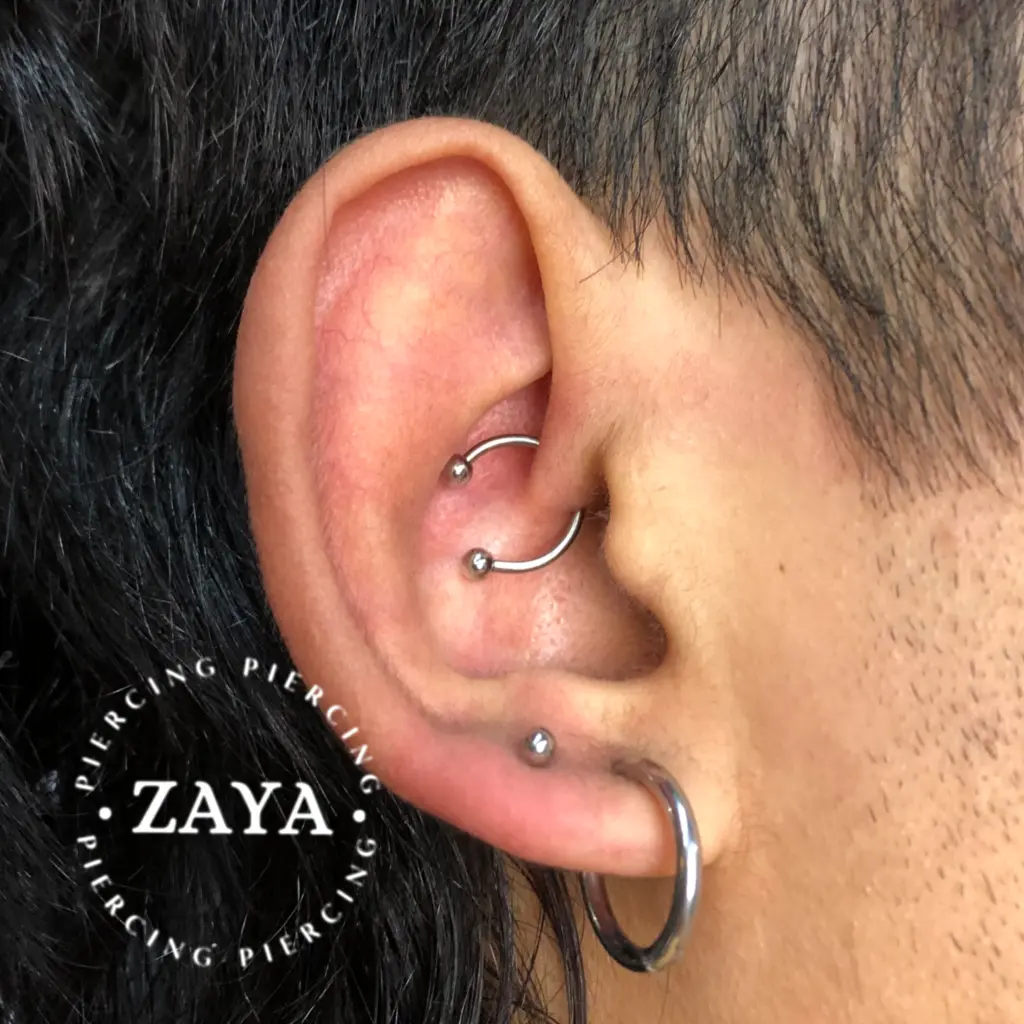
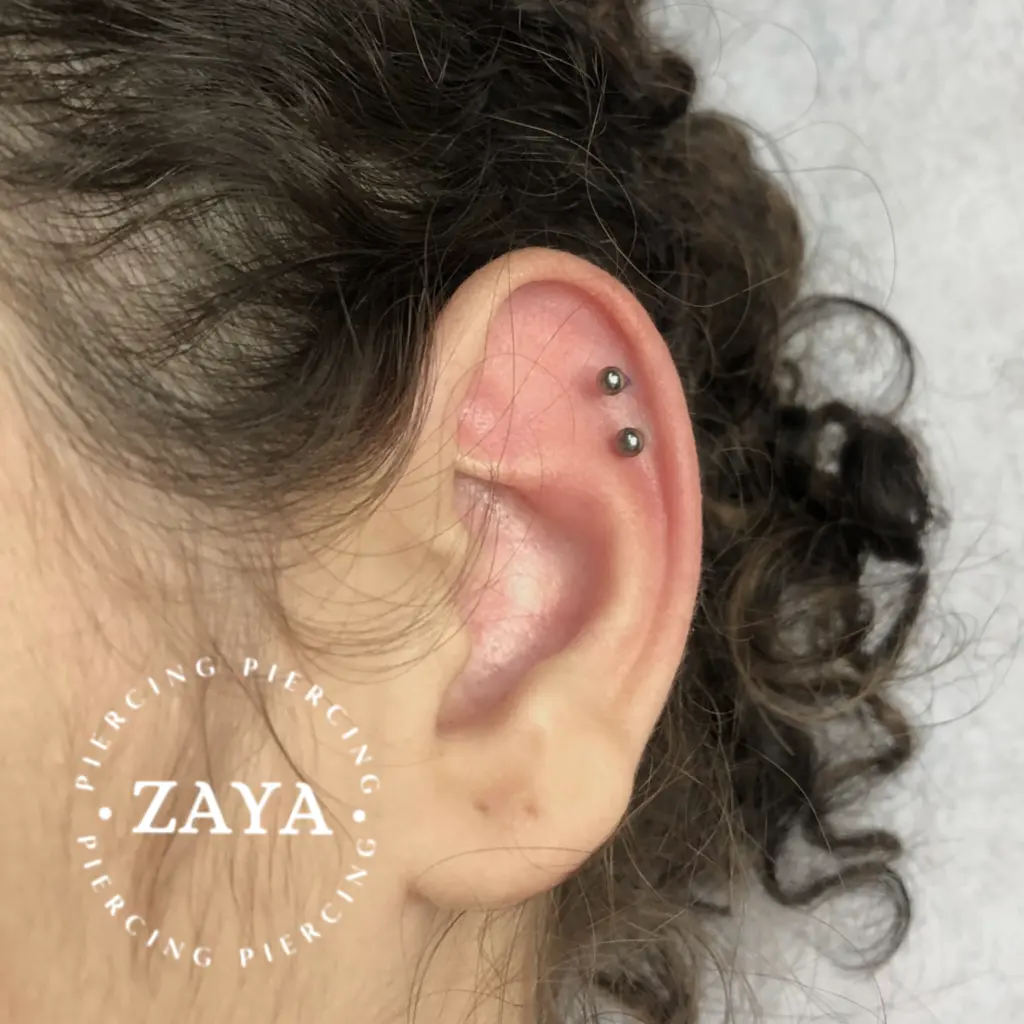
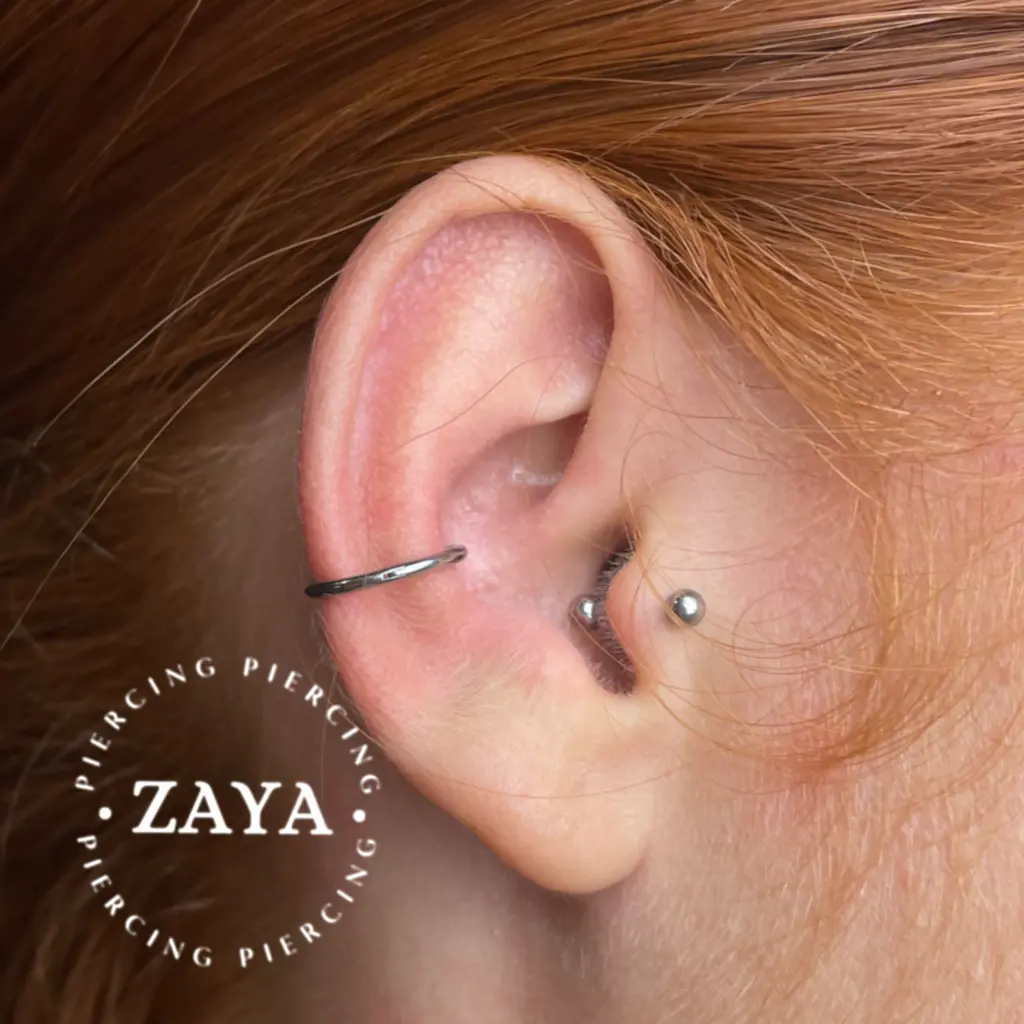
Cartilage Piercing (Helix, Daith, Tragus, etc.)
Cartilage piercings are trickier because the tissue is harder.
- New cartilage piercings: Can start closing in as little as a few hours.
- Healed piercings: May take 1–2 weeks to seal completely, though bumps or scars are common after closure.
- Special note: Cartilage tends to scar more easily, so forcing jewelry back in is risky.
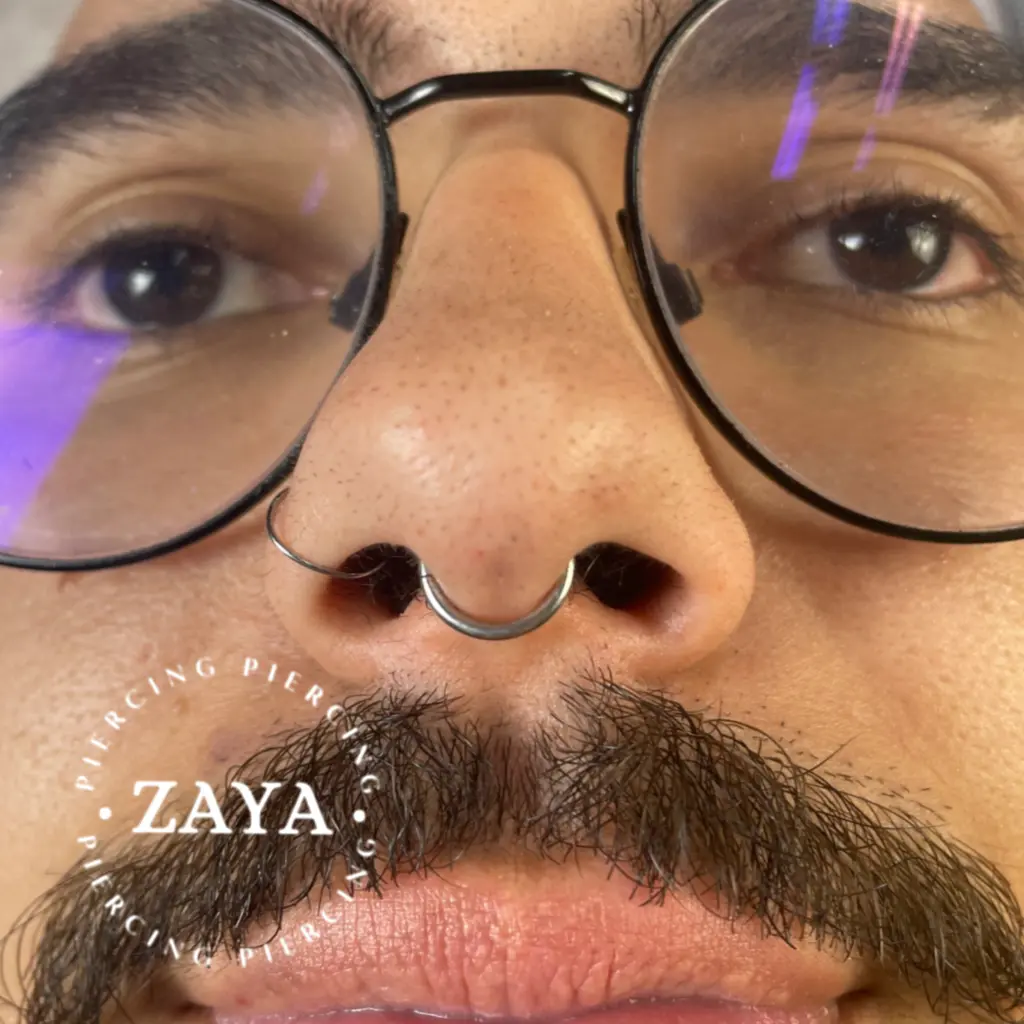
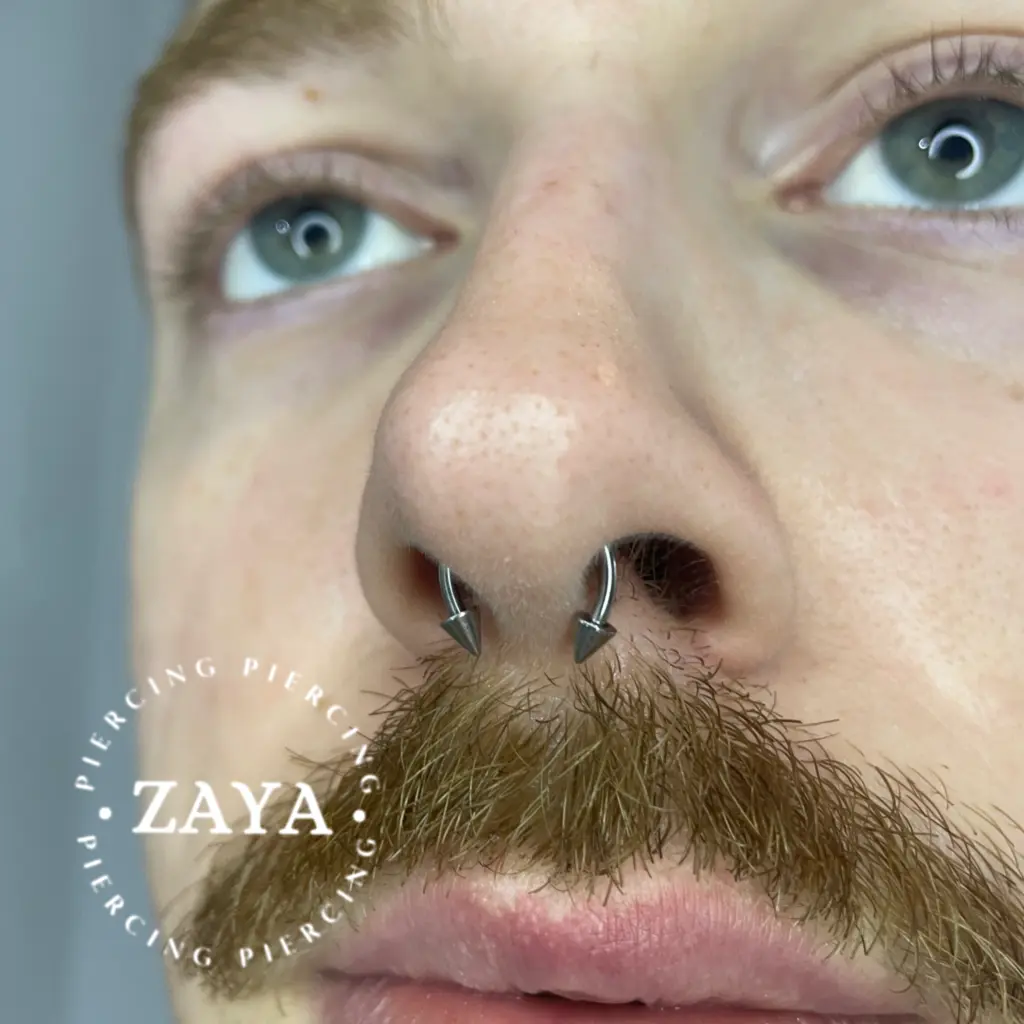
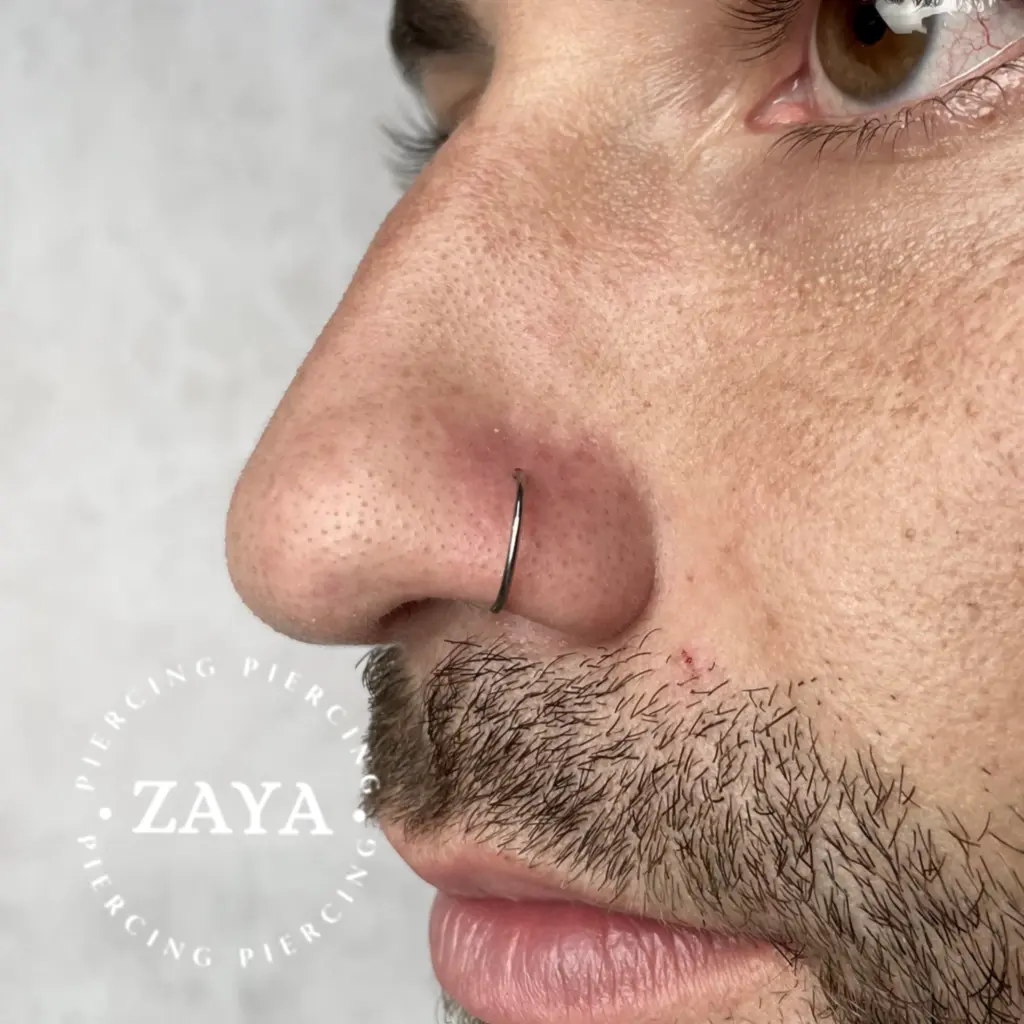
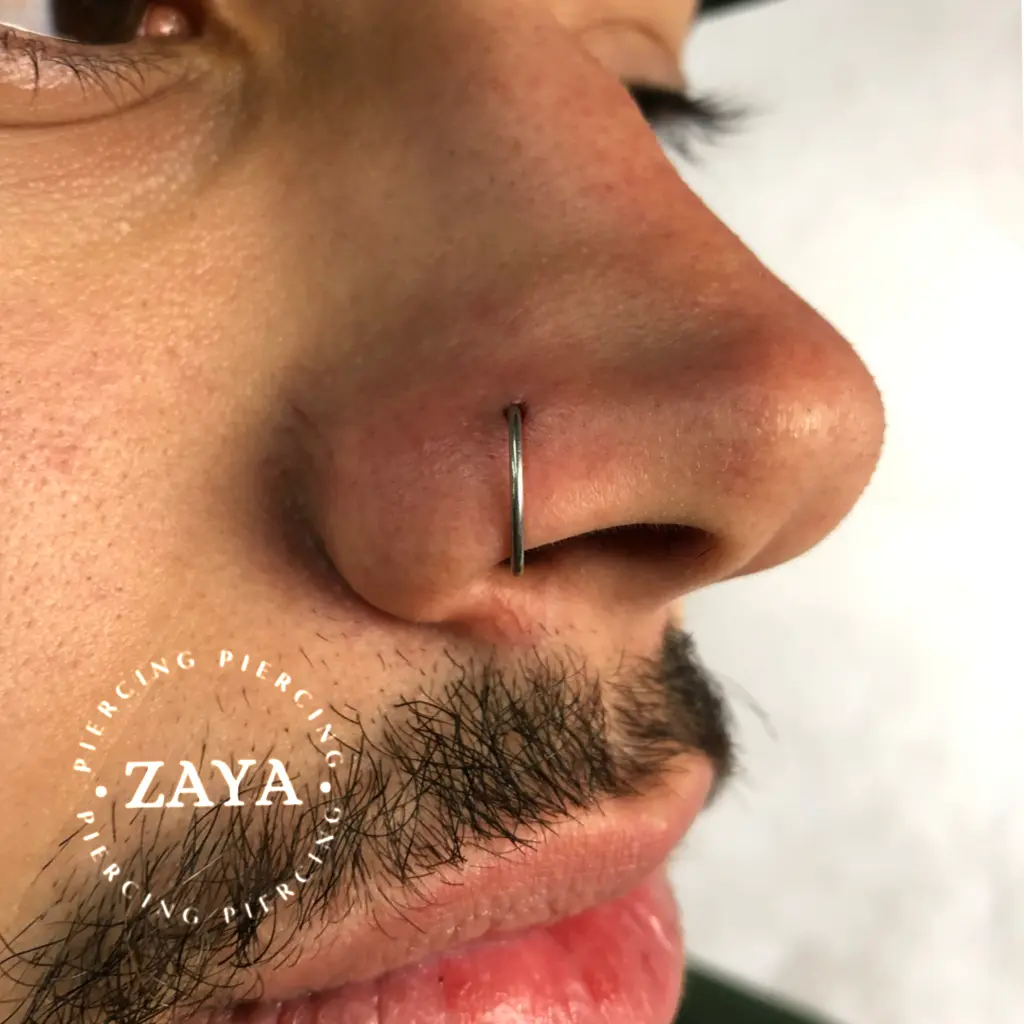
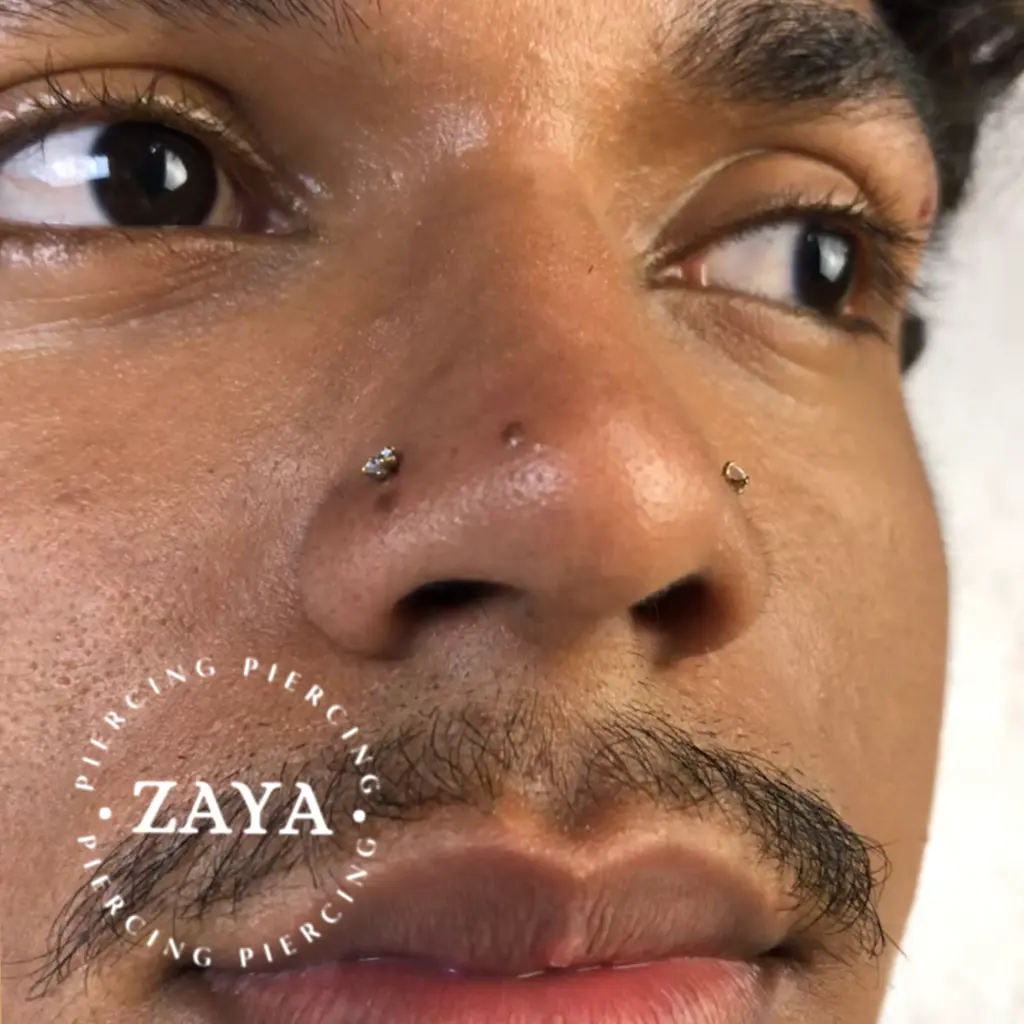
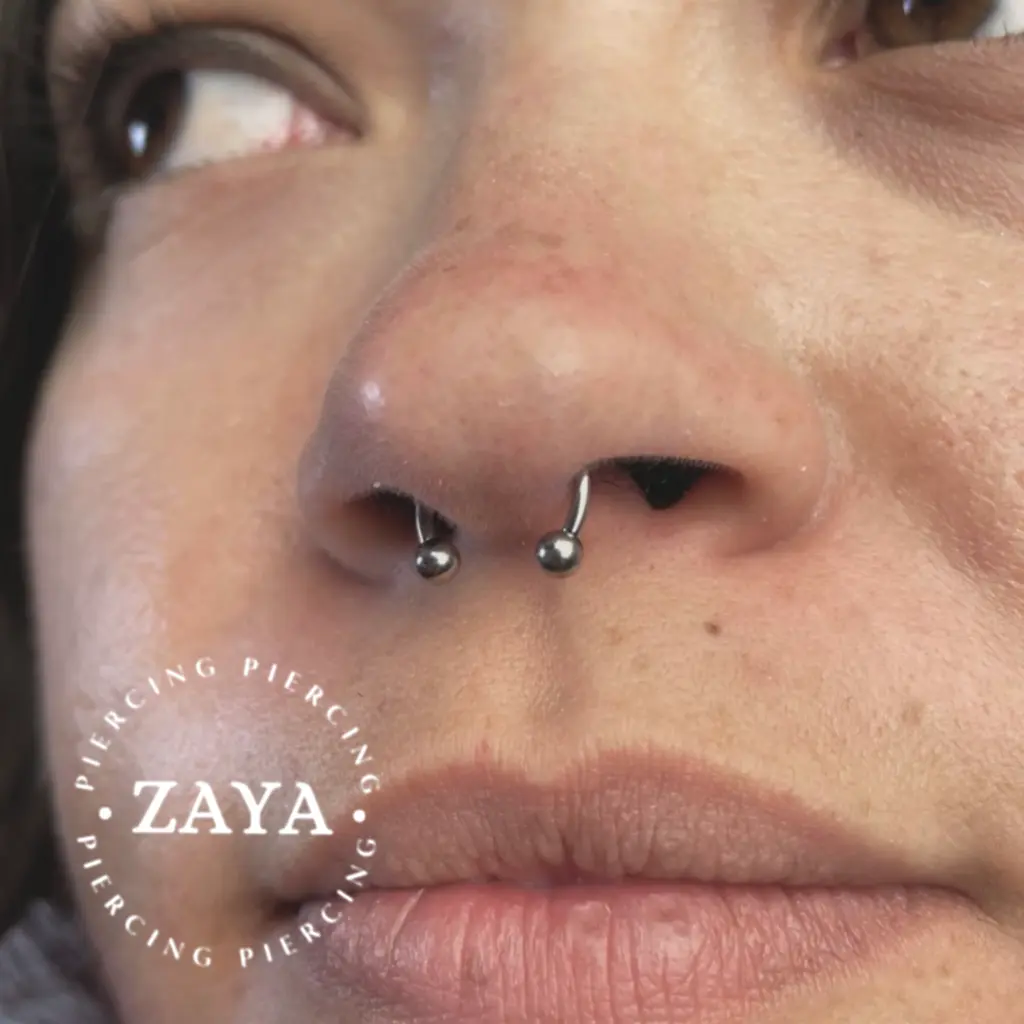
Nose Piercing
Nose piercings are sensitive and close quickly.
- Fresh nose piercings: Often close overnight or within 1–2 days.
- Older piercings: Could remain open for about a week, though shrinking happens fast.
- Result after closure: A small scar or indentation is typical.
Lip Piercing
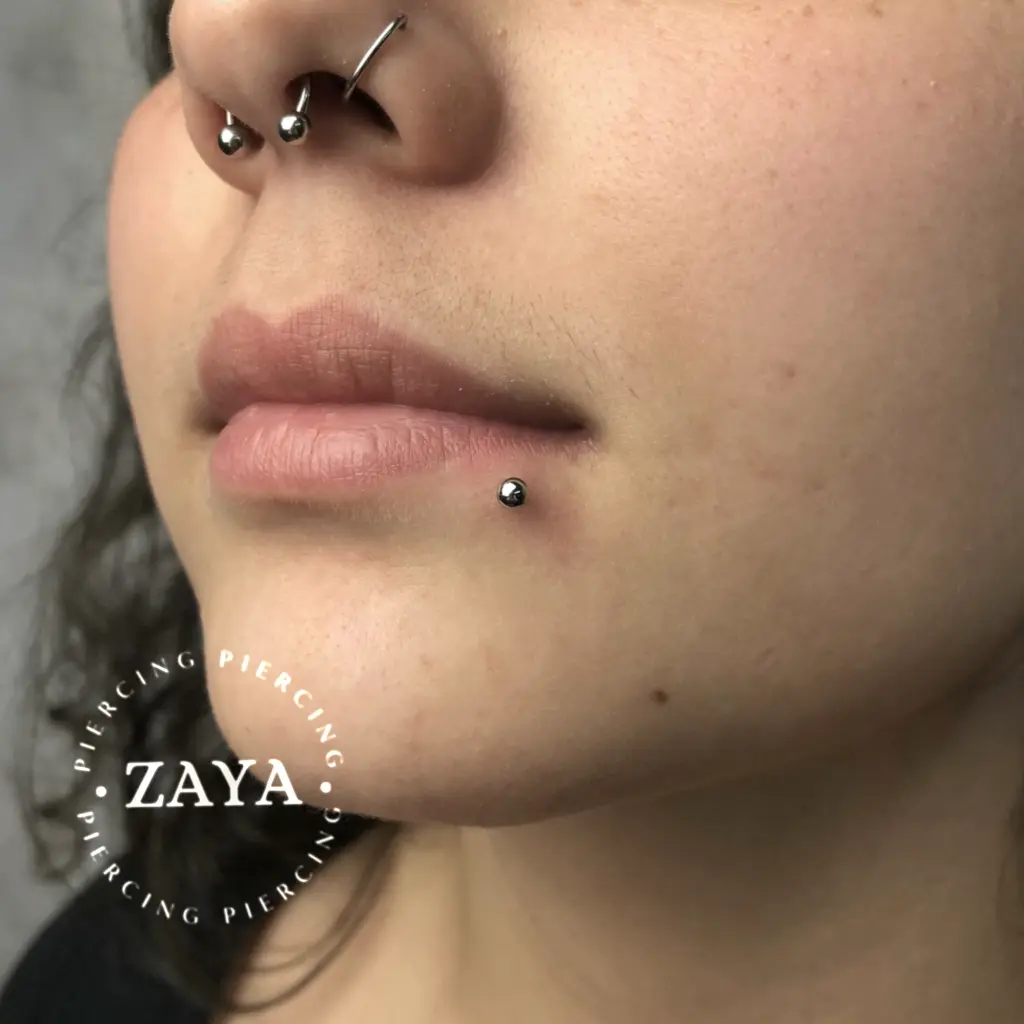
Lip piercings close at record speed due to constant blood flow in this area.
- Within hours: Fresh lip piercings can shrink drastically.
- 1–2 days: Even older piercings often close fully.
- Scarring: Usually minimal, but closure is rapid.
Tongue Piercing
The tongue heals faster than nearly any other body part.
- 12–24 hours: Fresh tongue piercings can seal if jewelry is out.
- 3–5 days: Well-healed piercings may also vanish in less than a week.
- Scar tissue: Rarely visible, as the tongue regenerates smoothly.

Can Piercing Holes Reopen After Closing?
Yes, but it depends on how long the piercing has been left empty.
- Recently closed holes: If the jewelry has been out for just hours or days, a professional piercer may be able to slide the jewelry back in without re-piercing.
- Weeks or months later: The hole usually seals with new tissue, making reinsertion impossible.
- Long-term piercings: Holes may shrink but sometimes stay partially open forever, especially on earlobes.
Important: Never force jewelry into a partially closed piercing. This can tear skin, cause infection, and lead to scarring.
Tips to Prevent Piercings from Closing Too Quickly
If you want to keep your piercing but must remove jewelry temporarily, here’s what helps:
- Use retainers – Clear or bioplast retainers keep holes open while looking discreet.
- Plan around healing – Don’t remove jewelry until the initial healing phase is complete, even if the piercing looks fine externally.
- Reinsert jewelry daily – For piercings prone to closing, reinserting jewelry regularly keeps the channel intact.
- Stay consistent – Avoid removing jewelry overnight or during long work shifts.
Signs You Should See a Professional
Sometimes piercings behave unpredictably. Seek professional help if:
- The hole looks inflamed or painful after closure.
- Jewelry won’t go back in smoothly.
- A bump or keloid has formed.
- You want to safely re-pierce the area.
Working with an expert ensures safe outcomes. For example, at Icon Tattoo, professional piercers guide you through healing, aftercare, and re-piercing if necessary. Their experience minimizes risks and ensures your piercing remains a positive form of self-expression.
Can You Get Re-Pierced in the Same Spot?
Yes, but timing matters. If a piercing closes fully, you’ll need to wait for complete healing before re-piercing in the same location. Sometimes scar tissue can make re-piercing more painful or change how the jewelry sits. A skilled piercer will evaluate the area and advise on the safest option.
Final Thoughts
So, how long does it take for piercings to close? It depends on the type of piercing, its age, and your body’s healing process.
- Fresh piercings: can start closing within hours.
- Healed piercings: may last days or weeks before sealing.
- Long-term piercings: might never disappear completely, though holes shrink.
If you want to keep your piercing, never leave jewelry out for long. If it does close, don’t panic — professional re-piercing is always an option.
Piercings are personal and meaningful, but they require care and planning. By understanding closure timelines, you can make informed decisions about your jewelry and body art.